

Schema

Florida Medical Malpractice Lawyers

When medical professionals fail to uphold their standard of care, Florida patients and their families often face devastating consequences. Victims of medical errors, surgical mistakes, misdiagnosis, delayed diagnosis, and hospital negligence may endure permanent injuries, extended recovery periods, and significant financial burdens from mounting medical bills and lost wages. The emotional toll compounds these challenges, as families struggle to understand how trusted healthcare providers caused such harm. Florida patients seeking justice must navigate complex situations where multiple liable parties, including physicians, nurses, hospitals, and medical facilities, may share responsibility for their suffering.

The best medical malpractice lawyers in Florida guide victims through every stage of the legal process with skill and compassion. These attorneys thoroughly investigate medical records, consult with expert witnesses, and build compelling cases while handling aggressive insurance company tactics. Florida medical malpractice lawyers understand state-specific statutes and work diligently to identify all responsible parties and pursue maximum compensation for their clients. Patients who have suffered due to substandard medical care are encouraged to connect with an experienced attorney to discuss their legal options.

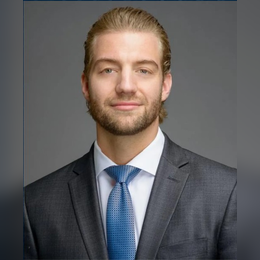
Steven C. Simon

Port St Lucie

(561) 941-8702

(Free Consultation + Offers Video Conferencing)
★★★★★

Nick Spetsas, Esq.

Orlando

321-414-8602

(Free Consultation + Offers Video Conferencing)
★★★★★

Eric S. Olson, Esq.

Naples

239-610-0845

(Free Consultation + Offers Video Conferencing)
★★★★★

Scott Aigen

Miami

786-504-7453

(Free Consultation + Offers Video Conferencing)
★★★★★

Doug Burnetti

Lakeland

863-204-3571

(Free Consultation + Offers Video Conferencing)
★★★★★

Dante Weston

Lakeland

866-749-4776

(Free Consultation + Offers Video Conferencing)
★★★★★

Michael S Steinger

West Palm Beach

(561) 220-6072

(Free Consultation + Offers Video Conferencing)
★★★★★

Joseph Abdallah

Boca Raton

800.586.5555

(Free Consultation + Offers Video Conferencing)
★★★★★

Jason Neufeld

Aventura

(786) 841-5646

(Free Consultation + Offers Video Conferencing)
★★★★★

Viktor Klajn

Aventura

305-564-1391

(Free Consultation + Offers Video Conferencing)
★★★★★

Patrick Cousins

West Palm Beach

(855) 256-4534

(Free Consultation + Offers Video Conferencing)
★★★★★

Jonas H. Kushner

Fort Myers

239-337-3600

(Free Consultation + Offers Video Conferencing)
★★★★★

Medical Malpractice Lawyers by City in Florida


Frequently Asked Questions


Start by matching your legal issue with the correct practice area. A personal injury claim, criminal charge, divorce, estate matter, business dispute, immigration issue, or real estate concern may require different experience. Compare Florida lawyers by practice focus, location, consultation process, attorney fees, and communication style. You can also use public lawyer referral and legal help resources before contacting a law firm. A helpful directory should make attorney discovery easier by connecting users with legal services that match their needs.

Ask whether the lawyer has handled cases similar to yours. You should also ask about attorney fees, communication, who will manage your file, expected timelines, and what documents are needed for case evaluation. If your matter may involve litigation, ask whether the attorney regularly handles cases in the relevant Florida court system. Clear answers help you compare legal services carefully and avoid choosing representation based only on broad claims, ads, or incomplete online profiles.

The cost of a Florida attorney depends on the practice area, case complexity, attorney experience, and fee structure. Some lawyers charge hourly rates, while others may use flat fees, retainers, or contingency fees for certain legal claims, such as many injury matters. Court filing fees, expert reviews, investigation costs, and administrative expenses may be separate. Before hiring representation, ask for a written fee agreement that explains attorney fees, billing practices, payment timing, and possible additional costs.

Some Florida lawyers offer free consultations, but policies vary by law firm and practice area. A consultation may help the attorney understand your issue, review basic facts, and decide whether representation is appropriate. Some lawyers charge for detailed advice, document review, or complex planning. The Florida Bar Lawyer Referral Service also connects users with lawyers for a low-cost initial consultation. Before scheduling, ask whether the meeting is free, paid, limited, or only an initial screening.

Hiring a local Florida lawyer can be helpful when your case involves court appearances, nearby evidence, local witnesses, or county and courthouse procedures. Local representation may matter in criminal defense, divorce, custody, probate, real estate, workers’ compensation, civil court disputes, and personal injury litigation. A lawyer familiar with regional court practices may better understand filing expectations and scheduling issues. For some matters, statewide representation may also work if the attorney handles the practice area and has the right availability.

Common searches include Florida personal injury lawyers, criminal defense attorneys, family law attorneys, divorce lawyers, estate planning lawyers, workers’ compensation lawyers, employment lawyers, immigration attorneys, bankruptcy lawyers, business lawyers, real estate lawyers, and civil litigation attorneys. Users also often search for lawyers handling car accidents, medical malpractice, DUI, probate, landlord-tenant issues, insurance disputes, and settlement matters. A helpful state directory should organize these practice areas clearly so users can quickly find legal services connected to their issue.

You should consider hiring a personal injury lawyer when an accident causes medical bills, missed work, lasting pain, disputed fault, or insurance problems. Personal injury cases often involve evidence, liability, damages, settlement negotiations, and sometimes litigation. Helpful records may include accident reports, photos, medical bills, witness names, insurance letters, and proof of lost income. A Florida attorney can review whether a legal claim may exist and explain possible next steps without promising a specific outcome.

You may need a criminal defense lawyer if you are arrested, charged, questioned by police, or served with a court notice. Criminal matters may involve misdemeanors, felonies, DUI, drug offenses, theft, assault, domestic violence, probation issues, or traffic-related charges. A lawyer can explain the charge, possible penalties, evidence, plea options, hearings, and defense strategy. Because criminal cases can affect freedom, employment, licensing, and record history, early consultation can help protect legal rights.

A family law attorney may help with divorce, child custody, parenting plans, child support, alimony, adoption, guardianship, domestic violence injunctions, or property division. Family cases often involve court forms, financial records, parenting schedules, hearings, and sensitive personal decisions. Florida Courts provide self-help information for family law and some other matters, but self-help information is not the same as legal advice. Legal representation may be useful when there are disputes, safety concerns, complex assets, or children involved.

The first consultation usually helps the lawyer understand your legal issue and decide whether they can assist. You may discuss key dates, parties involved, documents, evidence, court papers, insurance, deadlines, and your goals. The attorney may explain possible legal options, case risks, next steps, and fee arrangements. A consultation does not always create full representation, so ask what is included and whether you need to sign an agreement before the law firm begins work.

Legal case timelines vary based on the practice area, court schedule, evidence, negotiations, and whether the matter settles or proceeds to litigation. Some uncontested issues may resolve quickly, while injury claims, divorce disputes, probate matters, criminal cases, employment claims, and civil court lawsuits may take months or longer. Florida courts may also have different local calendars and procedures depending on the county and case type. A lawyer can explain likely timing based on the court, documents, and disputed issues.

In many situations, you can switch lawyers, but the process depends on the case type, fee agreement, court status, and timing. If litigation is already active, substitution or withdrawal may require court notice or approval. Before changing representation, review your contract, request your file, confirm deadlines, and ask about unpaid fees or possible liens. Speaking with another Florida attorney first can help prevent gaps in communication, missed filings, or confusion about who is responsible for the case.

Bring documents that explain the issue, deadlines, parties involved, and harm suffered. Useful records may include court notices, contracts, police reports, medical records, photos, emails, text messages, insurance letters, pay records, financial statements, witness names, and prior settlement offers. For family law, bring income and parenting records. For injury claims, bring treatment and accident evidence. Organized documents help a Florida attorney complete a clearer case evaluation and identify missing information.

Yes, Florida law can differ from other states in deadlines, court procedures, filing rules, legal standards, and available remedies. Rules may affect personal injury, criminal defense, divorce, custody, probate, employment law, real estate, business disputes, immigration-related concerns, and civil litigation. Florida also has its own court system, official forms, and local court procedures. Users should not assume rules from another state apply to their legal claim. Local legal services can provide more relevant guidance.

Florida courts affect your case through jurisdiction, filing rules, hearing schedules, evidence procedures, and available remedies. Different matters may involve circuit court, county court, family court, probate court, small claims, criminal court, appellate review, or administrative proceedings. Florida has circuit courts serving counties across the state, and each court may have its own calendars and local procedures. Understanding the correct court and required documents can help prevent delays, rejected filings, or missed deadlines.

Many Florida lawyers can represent clients throughout the state if they are licensed, available, and familiar with the relevant practice area and court. Some attorneys focus on specific cities, counties, or courthouses, while others handle statewide legal services through phone calls, video consultations, electronic filing, and remote communication where appropriate. Before hiring a lawyer, confirm whether they handle cases in your county and whether travel, local procedures, or court appearances may affect attorney fees.

You may need a lawyer if your case involves serious risk, court deadlines, contested facts, complex documents, insurance disputes, criminal charges, custody issues, or major financial consequences. Some smaller legal issues can be handled through self-help resources, negotiation, or forms, but others benefit from legal representation. A case evaluation can help you understand whether professional help is worth the cost. The decision should depend on your legal rights, evidence, risk level, and comfort with the process.

Many legal issues can be resolved without going to court, but not every case can. Negotiation, settlement, mediation, demand letters, administrative claims, and document review may resolve some disputes. Personal injury claims may settle with insurers, and some family, employment, landlord-tenant, business, or contract disputes may settle through agreement. However, criminal charges, contested custody, lawsuits, probate disputes, and urgent court orders may still require formal court action. A lawyer can explain whether out-of-court resolution is realistic.

If you cannot afford an attorney, you may still have options. Some lawyers offer free consultations, payment plans, limited-scope services, or contingency fees depending on the case type. Florida Courts list legal aid and self-help resources, including FloridaLawHelp.org, LawHelp.org, and Free Legal Answers for certain civil legal questions. For criminal cases, court-appointed counsel may be available if eligibility requirements are met. Always confirm whether available help includes advice, forms, referral, or full representation.