

A Texas Supplemental Security Income lawyer helps people with SSI applications, denied claims, eligibility disputes, and appeals. An attorney may review financial and medical eligibility, gather supporting evidence, identify problems with a claim, prepare an appeal, communicate with Social Security, and represent a claimant at a disability hearing when necessary.

John R. Heard handles matters in San Antonio, TX involving Social Security Disability matters, including benefit claims, denials, and appeals.

Based in El Paso, TX, Jon Samuel Sipes' practice focuses on Social Security Disability claims and applications, denials, and appeals.

Paul B. Burkhalter practices in Dallas, TX, with a focus on disability benefit matters and SSDI claims, appeals, and eligibility issues.

Based in Dallas, TX, Stanley Denman concentrates on Social Security Disability claims and applications, denials, and appeals.

Luke Radney's work in Dallas, TX is centered on Social Security Disability matters, with attention to benefit claims, denials, and appeals.
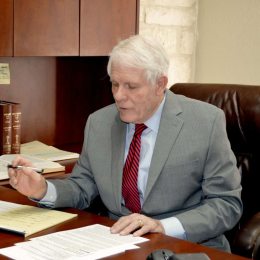
Dan Wimmer's practice in Austin, TX centers on Social Security Disability matters, including benefit claims, denials, and appeals.

Mary Ellen Felps handles disability benefit matters in Austin, TX, including matters related to SSDI claims, appeals, and eligibility issues.

This Houston, TX profile highlights Marc Whitehead's focus on Social Security Disability claims and applications, denials, and appeals.

The Austin, TX profile for Lloyd E. Bemis III highlights Social Security Disability claims, including applications, denials, and appeals.

In Houston, TX, Kristi Ward Stephens works on Social Security Disability claims involving applications, denials, and appeals.

Christopher Le's practice in San Antonio, TX centers on disability benefit matters, including SSDI claims, appeals, and eligibility issues.

Review Brent L. Klender's profile in San Antonio, TX, with a practice centered on disability benefit matters and SSDI claims, appeals, and eligibility issues.
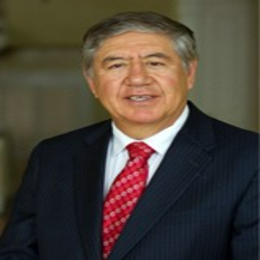
Hector I. Reyes' practice in El Paso, TX centers on Social Security Disability claims, including applications, denials, and appeals.

Madeline M. Mcintosh's Dallas, TX practice covers disability claims, with emphasis on benefit eligibility, denials, and appeal issues.

Alison G. Bosch's Austin, TX practice covers Social Security Disability claims, with emphasis on applications, denials, and appeals.

Review Shirley Vu's Austin, TX profile for disability benefit matters and matters involving SSDI claims, appeals, and eligibility issues.

David Dopkin focuses on disability benefit matters in Houston, TX, with attention to SSDI claims, appeals, and eligibility issues.

Celeste Scalise Qubrosi's San Antonio, TX practice covers disability claims, with emphasis on benefit eligibility, denials, and appeal issues.

Based in San Antonio, TX, Samuel W. Packard's practice includes disability benefit matters, particularly SSDI claims, appeals, and eligibility issues.

Based in San Antonio, TX, Jason Khattar's practice includes Social Security Disability matters, including disability claims, benefit eligibility, denials, appeals also personal injury matters, particularly injury claims, liability, and recovery.

Burke Barclay's legal work in Dallas, TX focuses on Social Security Disability claims, including applications, denials, and appeals.

Learn about Kenna Garner's Houston, TX practice, including disability claims and benefit eligibility, denials, and appeal issues.
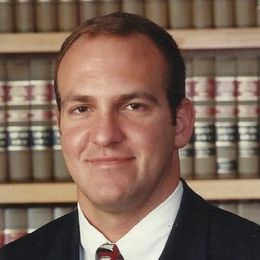
Michael Makris' Houston, TX practice is focused on disability claims, including benefit eligibility, denials, and appeal issues.
SSI is designed for people with limited income and resources who meet additional eligibility requirements. Potential eligibility may include people who:
For disability-based SSI claims, supporting evidence may include:
An initial denial does not necessarily end an SSI claim. Depending on the decision and stage of the case, a claimant may have options to challenge Social Security's determination. An SSI lawyer may review:
When comparing SSI attorneys, consider:
What is Supplemental Security Income?
SSI is a federal program that provides monthly payments to qualifying people with limited income and resources who are disabled, blind, or age 65 or older.
Do I need a work history to qualify for SSI?
SSI does not require the same work-credit history as SSDI. Instead, financial eligibility based on income and resources is a central part of the SSI program.
Can I appeal if my SSI claim is denied?
Yes. Social Security provides procedures for challenging unfavorable SSI determinations. Applicable deadlines should be followed carefully.
Can mental health conditions qualify for SSI?
Potentially. A qualifying mental health condition may support a disability-based SSI claim when it satisfies Social Security's disability requirements and is supported by appropriate medical evidence.
When should I hire an SSI lawyer?
Consider legal assistance when a claim is denied, eligibility is disputed, income or resource issues arise, medical evidence is complicated, or you are preparing for a Social Security disability hearing.