

Finding the best lawyers in Colorado is essential when facing legal challenges that affect your personal life or professional endeavors. Whether you're dealing with a personal injury claim, recovering from an auto accident, navigating a criminal defense case, or handling sensitive family law matters, having skilled legal representation makes a significant difference. Colorado residents also frequently seek assistance with immigration issues, estate planning, social security disability claims, and employment law disputes. Experienced attorneys understand state and federal laws, helping protect your rights while providing the guidance you need to make informed decisions.
The law firms in Colorado featured in our directory offer comprehensive legal services for individuals and businesses alike. From business law and real estate law to civil litigation matters, qualified attorneys are prepared to represent clients in negotiations, mediations, and courtroom proceedings when necessary. These professionals bring years of experience handling complex cases across various practice areas, ensuring you receive personalized attention and strategic counsel tailored to your unique situation. Take the first step toward resolving your legal matters by connecting with trusted lawyers and reputable law firms throughout Colorado today.

David Beaty of King & Beaty, LLC, represents Colorado clients in car accidents, truck accidents, brain injuries, premises liability, and wrongful death cases.

Kurt Zaner's Denver, CO practice covers injury claims, with emphasis on damages, insurance issues, and recovery options.
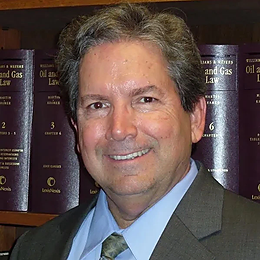
Martin E. Long handles matters in Denver, CO involving bankruptcy law matters, including debt options, filings, and creditor concerns.

Rob Cohen is a Denver attorney focusing on bankruptcy, civil litigation, contracts, domestic relations, and real property matters.

Dan Droege's legal work in Denver, CO focuses on family law matters, including custody, support, divorce, and family disputes.

Amy Gaiennie handles matters in Denver, CO involving personal injury cases, including accident claims, damages, and compensation.

Jerry Bowman's practice in Denver, CO centers on personal injury matters, including accident-related losses and compensation issues.

Rich Masana is a Colorado attorney focused on bankruptcy, debt relief, civil litigation, real estate disputes, and creditor representation.

For personal injury matters in Denver, CO, Robert Manning's practice addresses accident-related losses and compensation issues.

Review Lorraine Parker's profile in Denver, CO, with a practice centered on injury claims and damages, insurance issues, and recovery options.

Clark Daniel Dray is a Colorado attorney focusing on bankruptcy, debt relief, estate planning, and tax resolution for individuals and families.

Based in Denver, CO, Darin Schanker's practice focuses on personal injury matters and injury claims, liability, and recovery.

David M. Serafin provides legal representation in bankruptcy, estate planning, and related matters, helping individuals and families navigate complex legal and financial issues.

Arnulfo D. Hernandez's practice in Denver, CO centers on criminal matters, including case preparation, defense, and court proceedings.
How do I find the right lawyer in Colorado?
Start by matching your legal issue with the correct practice area. A personal injury claim, criminal charge, divorce, estate matter, immigration issue, business dispute, or real estate concern may require different experience. Compare Colorado lawyers by practice focus, location, consultation process, attorney fees, and communication style. You can also review attorney status through official public resources before contacting a law firm. A strong directory page should help users move from legal issue to attorney discovery with confidence.
What questions should I ask before hiring a lawyer?
Ask whether the lawyer has handled cases similar to yours. You should also ask about fees, communication, who will manage your file, expected timelines, and what documents are needed for case evaluation. If your matter may involve litigation, ask whether the attorney regularly handles cases in the relevant Colorado court system. Clear answers help you compare legal services carefully and avoid choosing representation based only on broad claims, ads, or incomplete online profiles.
How much does a lawyer cost in Colorado?
The cost of a Colorado attorney depends on the practice area, case complexity, attorney experience, and fee structure. Some lawyers charge hourly rates, while others may use flat fees, retainers, or contingency fees in certain legal claims, such as many personal injury cases. Court filing fees, expert reviews, investigation costs, and administrative expenses may be separate. Before hiring representation, ask for a written fee agreement that explains attorney fees, billing practices, payment timing, and possible additional costs.
Do Colorado lawyers offer free consultations?
Some Colorado lawyers offer free consultations, but consultation policies vary by law firm and practice area. A consultation may help the attorney understand your issue, review basic facts, and decide whether representation is appropriate. Some lawyers charge for detailed advice, document review, or complex legal planning. Before scheduling, ask whether the consultation is free, paid, limited in scope, or only used for initial screening. This helps users compare legal services without confusion about cost.
Should I hire a local Colorado lawyer?
Hiring a local Colorado lawyer can be helpful when your case involves county procedures, nearby evidence, local witnesses, or court appearances. Local representation may matter in criminal defense, divorce, custody, probate, real estate, workers’ compensation, civil court disputes, and personal injury litigation. A lawyer familiar with regional court practices may better understand filing expectations and scheduling issues. For some matters, statewide representation may also work if the attorney handles the practice area and has the right availability.
What types of lawyers are most commonly searched in Colorado?
Common searches include Colorado personal injury lawyers, criminal defense attorneys, family law attorneys, divorce lawyers, estate planning lawyers, workers’ compensation lawyers, employment lawyers, immigration attorneys, bankruptcy lawyers, business lawyers, real estate lawyers, and civil litigation attorneys. Users also often search for lawyers handling car accidents, medical malpractice, DUI, probate, landlord-tenant issues, and settlement disputes. A helpful state directory should organize these practice areas clearly so users can quickly find legal services connected to their issue.
What happens during the first consultation?
The first consultation usually helps the lawyer understand your legal issue and decide whether they can assist. You may discuss key dates, parties involved, documents, evidence, court papers, insurance, deadlines, and your goals. The attorney may explain possible legal options, case risks, next steps, and fee arrangements. A consultation does not always create full representation, so ask what is included and whether you need to sign an agreement before the law firm begins work.
How long do legal cases usually take in Colorado?
Legal case timelines vary based on the practice area, court schedule, evidence, negotiations, and whether the matter settles or proceeds to litigation. Some uncontested issues may resolve quickly, while injury claims, divorce disputes, probate matters, criminal cases, employment claims, and civil court lawsuits may take months or longer. Colorado courts may also have different local procedures and calendars. A lawyer can explain likely timing based on the specific court, case type, documents, and disputed issues.
Can I switch lawyers after hiring one?
In many situations, you can switch lawyers, but the process depends on the case type, fee agreement, court status, and timing. If litigation is already active, substitution or withdrawal may require court notice or approval. Before changing representation, review your contract, request your file, confirm deadlines, and ask about unpaid fees or possible liens. Speaking with another Colorado attorney first can help prevent gaps in communication, missed filings, or confusion about who is responsible for the case.
What documents should I bring to a Colorado attorney?
Bring documents that explain the issue, deadlines, parties involved, and harm suffered. Useful records may include court notices, contracts, police reports, medical records, photos, emails, text messages, insurance letters, pay records, financial statements, witness names, and prior settlement offers. For family law, bring income and parenting records. For injury claims, bring treatment and accident evidence. Organized documents help a Colorado attorney complete a clearer case evaluation and identify missing information.
Does Colorado law differ from other states?
Yes, Colorado law can differ from other states in deadlines, court procedures, filing rules, legal standards, and available remedies. Rules may affect personal injury, criminal defense, divorce, custody, probate, employment law, real estate, business disputes, immigration-related concerns, and civil litigation. Colorado also has its own court system and official court forms. Users should not assume rules from another state apply to their legal claim. Local legal services can provide more relevant guidance.
How do Colorado courts affect my case?
Colorado courts affect your case through jurisdiction, filing rules, hearing schedules, evidence procedures, and available remedies. District courts hear civil cases in any amount and also handle domestic relations, criminal, juvenile, probate, and mental health cases. County courts and other court settings may handle different matters. Civil court claims, criminal charges, family law matters, probate disputes, and appeals may follow different procedures. Understanding the correct court can help prevent delays or filing problems.
Can lawyers represent clients throughout Colorado?
Many Colorado lawyers can represent clients throughout the state if they are licensed, available, and familiar with the relevant practice area and court. Some attorneys focus on specific cities, counties, or judicial districts, while others handle statewide legal services through phone calls, video consultations, electronic filing, and remote communication where appropriate. Before hiring a lawyer, confirm whether they handle cases in your county and whether travel, local procedures, or court appearances may affect attorney fees.
Do I need a lawyer for my case?
You may need a lawyer if your case involves serious risk, court deadlines, contested facts, complex documents, insurance disputes, criminal charges, custody issues, or major financial consequences. Some smaller legal issues can be handled through self-help resources, negotiation, or forms, but others benefit from legal representation. A case evaluation can help you understand whether professional help is worth the cost. The decision should depend on your legal rights, evidence, risk level, and comfort with the process.
Can I solve legal issues without going to court?
Many legal issues can be resolved without going to court, but not every case can. Negotiation, settlement, mediation, demand letters, administrative claims, and document review may resolve some disputes. Personal injury claims may settle with insurers, and some family, employment, landlord-tenant, or business disputes may settle through agreement. However, criminal charges, contested custody, lawsuits, probate disputes, and urgent court orders may still require formal court action. A lawyer can explain whether out-of-court resolution is realistic.