

Finding the best lawyers in North Carolina is essential when facing legal challenges that impact your life, family, or business. Whether you're dealing with a personal injury claim, recovering from an auto accident, navigating a criminal defense case, or handling sensitive family law matters like divorce and custody, having skilled legal representation makes all the difference. North Carolina residents also frequently seek assistance with immigration issues, social security disability claims, estate planning, and employment disputes. The right attorney understands state-specific laws and works diligently to protect your rights while providing clear guidance through complex legal processes.
Our directory connects you with reputable law firms in North Carolina that serve clients across diverse practice areas, including business law, real estate law, and civil litigation. Whether you need legal support for personal matters or professional guidance for your company, qualified attorneys are ready to advocate on your behalf and represent you in court when necessary. From Charlotte to Raleigh and communities throughout the state, experienced legal professionals are committed to achieving favorable outcomes for their clients. Take the first step toward resolving your legal concerns by connecting with trusted lawyers and law firms in North Carolina today.
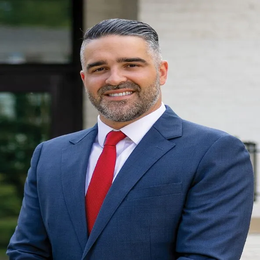
Joseph Volta maintains a Charlotte, NC practice focused on personal injury concerns, including accident losses, liability, and claim strategy.

Based in Charlotte, NC, Gene Riddle concentrates on personal injury cases and accident claims, damages, and compensation.

Michael Romano is a North Carolina Board Certified Family Law Specialist with exclusive family law experience since 2001.

Brione B. Pattison focuses on family law, divorce, custody, support, property division, appeals, and mediation in North Carolina.

Jennifer Dixon is a founding partner at Remington & Dixon, PLLC, handling family law, wills and estates, unemployment appeals, and traffic matters.

R. Lee Myers is a Charlotte-area attorney with over 45 years of experience, a certified mediator, and a longtime community leader.

Irene Patrice King is a North Carolina family law specialist focusing on collaborative divorce, mediation, and relationship agreements.

Matthew Fleishman's work in Charlotte, NC includes personal injury matters, with attention to accident-related losses and compensation issues.

Courtney L. Carter is a North Carolina family law specialist handling divorce, custody, support, alimony, and marital agreements.

Based in Charlotte, NC, Michael A. Demayo's practice focuses on personal injury matters and injury claims, liability, and recovery.

Based in Charlotte, NC, Jon R. Moore's practice includes personal injury cases, particularly accident claims, damages, and compensation.

Yale Haymond's practice in Charlotte, NC centers on injury-related matters, including claims, responsibility, and financial recovery.

Molly Anthony focuses on personalized divorce solutions, mediation, and Collaborative Divorce while prioritizing children’s well-being and financial needs.

Melissa is a North Carolina Board Certified Family Law Specialist handling custody, support, alimony, property division, and family mediation.
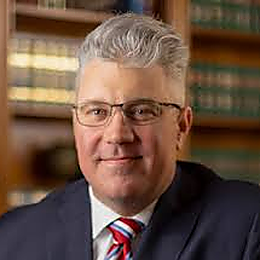
Matt Arnold practices in Charlotte, NC, with a focus on injury claims and damages, insurance issues, and recovery options.

The Charlotte, NC profile for Ted A. Greve highlights injury claims, including damages, insurance issues, and recovery options.

Kimberly A. Sheek works on family law matters in Charlotte, NC, addressing marital, parenting, custody, and support concerns.

Jan Dils is the founder of Jan Dils, Attorneys at Law. She established the firm in Parkersburg, West Virginia, in 1994 as a solo attorney.

Barbara J. Rynne-Hoyt focuses on family law, divorce, custody, support, domestic violence, and complex property division.
How do I find the right lawyer in North Carolina?
Finding the right lawyer in North Carolina starts with matching your legal issue to the appropriate practice area and comparing attorneys based on experience, communication style, and case approach. Review attorney profiles, consultation availability, representation scope, and whether the lawyer regularly handles similar legal claims. Consider factors such as litigation experience, responsiveness, and fee structure. Speaking with more than one attorney can help you better understand legal options and choose representation that fits your goals and circumstances.
How much does a lawyer cost in North Carolina?
Lawyer costs in North Carolina depend on the type of legal matter, complexity of the case, attorney experience, and billing method. Some lawyers charge hourly rates, while others may offer flat fees or contingency arrangements depending on the practice area. Additional expenses can include filing costs, document preparation, expert evaluations, and court-related fees. During a consultation, ask for a clear explanation of attorney fees and expected costs before agreeing to representation.
Do lawyers offer free consultations in North Carolina?
Some lawyers in North Carolina offer free consultations, while others charge for an initial case review depending on the practice area and complexity of the issue. A consultation is commonly used to discuss facts, review documents, explain legal rights, and evaluate whether representation may be appropriate. It may also include discussion about legal strategy, timelines, and possible next steps. Confirm consultation policies in advance and ask what information should be prepared.
What happens during the first consultation with a lawyer?
During the first consultation, a lawyer generally reviews your situation, asks questions, and explains whether legal representation may help address your issue. Discussions often include available evidence, legal procedures, potential outcomes, attorney fees, settlement possibilities, and whether litigation may become necessary. You may also receive guidance on immediate next steps and required documentation. Bringing organized records and written questions can make the consultation more useful and efficient.
Can I solve legal issues without going to court?
Yes, some legal issues can be resolved without going to court through negotiation, settlement discussions, mediation, administrative processes, or contract revisions. Whether court proceedings become necessary depends on the legal claim, available evidence, and whether parties are willing to reach an agreement. A lawyer can explain alternatives to litigation and help evaluate whether resolving a dispute outside the court system may reduce time, expense, and complexity.