

Finding the best lawyers in Arkansas can make all the difference when facing complex legal challenges that affect your life, family, or business. Whether you're dealing with personal injury claims, auto accidents, criminal defense matters, or navigating family law issues such as divorce and child custody, having skilled legal representation is essential. Arkansas residents also frequently seek assistance with estate planning, immigration concerns, social security disability claims, and employment law disputes. Experienced attorneys understand state-specific laws and work diligently to protect your rights, provide sound legal guidance, and represent your interests in court when necessary.
Our directory connects you with reputable law firms in Arkansas that handle a wide range of legal matters for both individuals and businesses. From real estate law transactions and civil litigation to business law and contract disputes, qualified attorneys are ready to assist with your unique situation. These legal professionals bring years of experience, local knowledge, and a commitment to achieving favorable outcomes for their clients. Take the first step toward resolving your legal concerns by connecting with trusted lawyers and law firms in Arkansas who can advocate for your best interests.

G. S. Brant Perkins is a Business Law attorney at Perkins Law Firm, serving clients in Johnson, Arkansas.

Chris Oswalt's work in Little Rock, AR includes family law matters, with attention to custody, support, divorce, and family disputes.

Matthew L. Fryar is a Partner focusing on Business Law at Crouch, Harwell, Fryar & Ferner, PLLC in Springdale, Arkansas.

Gary L. King is an Immigration Law attorney with King Law Group, PLLC in Fort Smith, Arkansas, practicing law since 1986.

James Helm focuses on injury-related matters in Little Rock, AR, with attention to claims, responsibility, and financial recovery.

Eli Cummins is a family law and estate planning attorney handling divorce, child custody, wills, trusts, and other family and planning matters.

Fort Smith, Arkansas attorney focused on family law, offering personalized and responsive legal representation.

Mark L. Martin is a Fayetteville, Arkansas attorney focused on Social Security Disability claims at Martin Law Firm.

Nathan R. Bogart is the Founding Partner of Bogart, Small + Duell, focusing on immigration law in Fayetteville, Arkansas.

Brannen Payne is a trial attorney at Payne Law Firm focusing exclusively on DWI and criminal defense in Northwest Arkansas.

Brynna Barnica focuses on criminal law matters in Little Rock, AR, with attention to charges, defense strategy, and court proceedings.

Michael Lilly is a criminal law attorney serving clients in Johnson, Arkansas at the Law Office of Michael Lilly.

William O. “Bill” James, Jr. is a criminal defense attorney at James Law Firm, serving clients throughout Little Rock and Arkansas.

Bobby McDaniel is a personal injury attorney with McDaniel Law Firm, PLC, serving clients in Johnson, Arkansas.
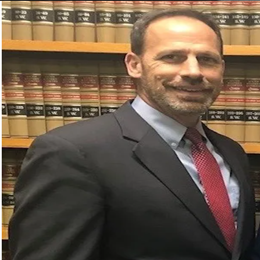
Bartels represents Social Security Disability claimants in Johnson, Arkansas at Bartels Law Firm.
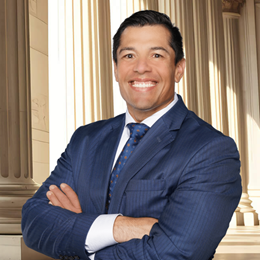
Founding partner at Monterrey Law Firm PLLC focusing on Immigration Law for clients in Fort Smith, Arkansas.

Mollie Angel represents Social Security Disability and SSI claimants in Fort Smith, Arkansas.

In Little Rock, AR, Mike Rainwater's practice includes injury-related matters, especially claims, responsibility, and financial recovery.

Bill Reynolds is a personal injury attorney at Caddell Reynolds Law Firm serving clients in Fort Smith, Arkansas.

Rob Terrell is an Immigration Law attorney at Nailling & Terrell PLLC, serving clients in Springdale, Arkansas and Northwest Arkansas.

Sean T. Keith is a personal injury attorney at NWA Car Accident Attorney in Fayetteville, Arkansas.

Tyler Entz is a Family Law attorney at Entz Law Arkansas Family & Injury Lawyers in Fayetteville, Arkansas.

J. Marvin Honeycutt is a criminal defense trial attorney serving Fort Smith, Arkansas with over 30 years of experience.

Don A. Smith is a Business Law attorney at Smith, Cohen & Horan, PLC, serving businesses and owners in Fort Smith, Arkansas.

Principal attorney at Watson Law Firm, P.A. in Springdale, Arkansas, practicing in Northwest Arkansas since 1982 and Peer Review rated by Martindale-Hubbell.

Leon Jones, Jr. is a Business Law attorney at Big Rock Legacy Law Group, PLC in Little Rock, Arkansas.

Bradley Mullins, Esq. is a personal injury attorney at Mullins & Blake Attorneys serving Springdale, Arkansas accident victims.

Tara Pool is a Family Law attorney at Lion Legal Services in Little Rock, Arkansas.

Ryan Renauro is a criminal law attorney at Rise Criminal Defense in Springdale, Arkansas.

Attorney at Law and partner at Eason Law in Jonesboro, serving Northeast Arkansas communities, including immigration clients.

Founding partner representing individuals and corporations in complex civil litigation and business matters, with a focus on environmental and agricultural issu

Personal injury attorney at LeVar Law and cum laude graduate of the University of Arkansas School of Law.

Review Paul Pfeifer's Little Rock, AR profile for personal injury cases and matters involving accident claims, damages, and compensation.

Senior Partner Laura McKinnon has represented Social Security disability clients in Fort Smith, Arkansas since founding McKinnon Law Firm in 1988.

Mark Rees is a Family Law attorney serving clients in Johnson, Arkansas with nearly 30 years of experience.
How do I find the right lawyer in Arkansas?
Finding the right lawyer in Arkansas starts with matching your legal issue to the attorney’s practice area and experience. Different legal matters often require different types of representation.
Review whether the lawyer regularly handles cases similar to yours, serves the county or city where your matter is located, and explains legal strategy clearly. Ask about communication expectations, attorney fees, who manages your file, and whether litigation experience may matter. Reading attorney profiles and comparing consultations can help you make a more informed decision before choosing representation.
What questions should I ask before hiring a lawyer?
Before hiring a lawyer, ask questions that help you understand experience, process, costs, and expectations. A consultation should help you evaluate fit—not pressure you into a decision.
Ask what types of cases they commonly handle, who will work on your matter, expected timelines, possible outcomes, fee structure, and communication methods. You can also ask what documents may strengthen your legal claim and whether settlement, negotiation, or court proceedings are likely.
How much does a lawyer cost in Arkansas?
Lawyer costs in Arkansas vary based on practice area, complexity, and billing structure. There is no single statewide legal fee.
Some Arkansas lawyers charge hourly rates, while others use flat fees, contingency fees, or retainers depending on the legal services involved. Criminal defense, business matters, estate planning, and personal injury cases may follow different pricing models. Ask for written fee information and clarify court costs and additional expenses before hiring.
Do lawyers offer free consultations in Arkansas?
Some lawyers in Arkansas offer free consultations, while others charge for an initial meeting. Consultation policies depend on the law firm and practice area.
Personal injury and certain consumer-related matters often include no-cost case evaluations, while business or complex civil matters may involve consultation fees. Ask whether the meeting includes legal advice, document review, or only an initial assessment of your legal options.
Should I hire a local Arkansas lawyer?
Hiring a local Arkansas lawyer can offer practical advantages when your matter involves local procedures, courts, or community-specific considerations. Local familiarity may improve efficiency.
A lawyer practicing near the relevant court may understand filing processes, scheduling practices, and regional legal expectations. However, location should be balanced with practice area experience, communication quality, and case fit when comparing representation options.
What types of lawyers are most commonly searched in Arkansas?
Commonly searched legal categories in Arkansas include personal injury, criminal defense, family law, divorce, estate planning, workers’ compensation, employment law, business law, bankruptcy, immigration, and real estate matters.
Users often begin with a broad legal issue and later narrow results by city, consultation availability, or experience level. Exploring practice areas before contacting a law firm can help improve attorney matching and reduce delays in starting your case.
What happens during the first consultation with a lawyer?
The first consultation is usually a case evaluation focused on understanding your situation and discussing possible next steps. It is also your opportunity to evaluate the attorney.
You may review timelines, available evidence, legal goals, likely procedures, and expected costs. Bring notices, contracts, medical records, court papers, photographs, or other relevant documents to help make the meeting productive.
How long do legal cases usually take in Arkansas?
Legal timelines in Arkansas depend on the type of matter, complexity, evidence, court schedules, and whether the case settles. Some issues resolve quickly while others take longer.
Simple legal services may finish in weeks, while litigation, contested family matters, or major civil court cases may continue for months or more. Ask your attorney for timeline expectations based on your circumstances rather than averages.
Can I switch lawyers after hiring one?
In many situations, clients can change lawyers if communication, strategy, availability, or trust becomes a concern. The process depends on case stage and court requirements.
Before switching, review your agreement, request your file, and understand any outstanding attorney fees. If litigation is active, substitution procedures may require court approval or formal notice.
What documents should I bring to a lawyer consultation?
Bring documents that help explain your legal issue and support your position. Organized records often improve the quality of the initial case evaluation.
Useful materials may include contracts, accident reports, court notices, insurance communications, medical records, financial records, emails, photographs, witness information, and timelines of important events.
Does Arkansas law differ from other states?
Yes, Arkansas law can differ from other states in procedures, filing rules, deadlines, and how certain legal claims are handled. State-specific rules may affect legal strategy.
Even when legal categories appear similar nationwide, details in the Arkansas court system and procedural requirements can influence outcomes. State-specific guidance is often useful before taking legal action.
How do Arkansas courts affect my case?
Arkansas courts influence deadlines, filing procedures, scheduling, evidence rules, and how disputes move through the legal process. Court structure may shape strategy and timing.
Cases can move through local courts, civil court divisions, or higher appellate review depending on subject matter. Understanding jurisdiction and procedure helps clients prepare more effectively.
Can lawyers represent clients throughout Arkansas?
Many attorneys can represent clients across Arkansas depending on licensing, court rules, and the type of matter involved. Availability varies by practice area.
Some lawyers maintain offices in one city while handling matters in multiple counties. Ask whether travel, local appearances, remote meetings, or court attendance requirements affect representation.
Can I solve legal issues without going to court?
Yes, many legal matters are resolved outside court through negotiation, settlement, mediation, or administrative processes. Court is not always required.
Alternative resolution methods may reduce costs and shorten timelines depending on the dispute. A lawyer can explain whether informal resolution is realistic before formal litigation becomes necessary.