
Why Motorcycle Crashes in Philadelphia Are Especially Dangerous
Philadelphia's mix of dense urban traffic, narrow historic streets, aging pavement, and frequent construction zones creates serious hazards for motorcyclists every day. Unlike car occupants, riders have no protective shell—just gear, skill, and reflexes standing between them and catastrophic injury.
The statistics are sobering. According to the National Highway Traffic Safety Administration (NHTSA), motorcyclists are roughly 24 times more likely to die in a crash per mile traveled than passenger car occupants. Understanding the most common causes of motorcycle accidents in Philadelphia—from distracted drivers to poorly maintained roads—is the first step toward protecting yourself and your rights. For a deeper look, explore our article on motorcycle accident causes and prevention.
Immediate Steps to Take After a Motorcycle Accident
The scene of a crash is chaotic. Here's exactly what to do, in order:
Call 911
Even if injuries seem minor, call emergency services immediately. A police report creates an official record that becomes critical evidence in your insurance claim or lawsuit. Never leave the scene without one.
Seek Medical Attention Right Away
Adrenaline masks pain. Internal bleeding, traumatic brain injuries, and spinal trauma may not be obvious at the scene. Go to the ER the same day—a medical record linking your injuries to the crash is one of the most important pieces of evidence you can have.
Document the Scene
If you can move safely, photograph everything: vehicle positions, road conditions, traffic signals, skid marks, debris, and your visible injuries. More documentation is always better than less.
Exchange Information and Gather Witnesses
Collect the other driver's name, license plate, insurance details, and contact information. Ask bystanders for their names and phone numbers—their accounts can be decisive if fault is disputed.
Do Not Admit Fault
Avoid apologizing or speculating about what happened. Pennsylvania uses a modified comparative negligence rule—fault is determined legally, not at the roadside. Anything you say can be used to reduce your compensation.
Pennsylvania Motorcycle Laws You Need to Know
Your legal rights—and potential limitations—are shaped by Pennsylvania's specific laws governing motorcycles. Here are the most important ones:
- Statute of Limitations: You have two years from the date of the accident to file a personal injury lawsuit in Pennsylvania. Miss this window and you almost certainly lose the right to sue.
- Helmet Requirements: Pennsylvania requires helmets for riders under 21 and those who have held a motorcycle license for less than two years. For those not legally required to wear one, going helmetless can still be used to argue comparative fault. See how your state compares in our guide to motorcycle helmet laws by state.
- No-Fault Exception: Unlike car accidents, Pennsylvania's no-fault insurance system does not apply to motorcycles. This is actually an advantage—you can sue the at-fault driver directly for pain and suffering without the threshold restrictions that car accident claimants face.
- Lane Splitting: Lane splitting is illegal in Pennsylvania. If you were splitting lanes at the time of your accident, it could affect your percentage of fault and reduce your recovery. Learn more about lane splitting laws across the country.
- Minimum Insurance: Motorcyclists must carry at least $15,000 per person / $30,000 per accident in bodily injury liability coverage.
For authoritative information on registration, licensing, and safety requirements, visit the Pennsylvania Department of Transportation – Motorcycle Safety page.
Common Injuries in Philadelphia Motorcycle Accidents
The severity of motorcycle accident injuries often depends on speed, road conditions, whether a helmet was worn, and the type of collision. Common injuries include:
- Traumatic brain injuries (TBI) and concussions
- Spinal cord injuries and paralysis
- Road rash — from minor abrasions to deep skin and tissue damage requiring grafting
- Broken bones, particularly in the arms, legs, and collarbone
- Internal organ damage and internal bleeding
- Soft-tissue injuries to muscles, tendons, and ligaments
- Psychological trauma, including PTSD and anxiety
Even injuries that seem manageable at first—like a concussion or whiplash—can have serious long-term consequences. Understanding your legal rights after a motorcycle accident injury in Pennsylvania is essential. Our guide on motorcycle accident injuries and legal rights explains what you're entitled to pursue.
What Causes Most Motorcycle Accidents in Philadelphia?
Establishing fault begins with understanding what caused the crash. The most common causes of Philadelphia motorcycle accidents include:
- Left-turn collisions — Cars turning left across an oncoming motorcycle's path are one of the deadliest and most common crash types. Read our in-depth article on left-turn motorcycle accidents and how liability is determined.
- Distracted driving — Texting, phone use, and inattentive driving remain top causes of urban accidents.
- Dooring — Parked car occupants opening doors into a rider's path is a uniquely urban hazard common throughout Philadelphia neighborhoods.
- Poor road conditions — Potholes, uneven surfaces, and poorly marked construction zones are especially treacherous on two wheels.
- Speeding — Higher speeds dramatically increase both crash likelihood and injury severity.
- Driving under the influence — DUI-involved crashes are among the most devastating and often result in the largest verdicts.
- Failure to yield — Particularly dangerous at intersections and highway merges.
Curious how motorcycle crash numbers compare to car accidents? Check out our data-driven breakdown of motorcycle vs. car accident statistics to better understand the risks riders face on the road.
What Compensation Can You Recover?
A successful Philadelphia motorcycle accident claim can cover multiple categories of damages:
- Medical expenses — Emergency care, surgeries, hospital stays, medications, and future treatment
- Lost wages — Income lost during your recovery period
- Loss of earning capacity — If injuries permanently reduce your ability to work
- Pain and suffering — Physical pain and the emotional toll of living with serious injuries
- Property damage — Repair or replacement of your motorcycle, helmet, and riding gear
- Wrongful death damages — If a family member was killed, surviving relatives may bring a separate wrongful death claim
What to Do in the Days and Weeks After the Crash
Notify Your Insurance Company—Carefully
Report the accident to your insurer promptly, but stick to basic facts. Avoid giving recorded statements without speaking to an attorney first. Insurers—including your own—have a financial interest in minimizing payouts.
Preserve All Physical Evidence
Do not repair or sell your motorcycle. Keep your damaged gear and clothing exactly as they are. Physical evidence can independently confirm the severity of the impact and the validity of your injuries.
Track Every Expense
Save all receipts related to your accident: ER bills, specialist visits, prescriptions, physical therapy, rideshare costs, and even parking at medical appointments. These form the financial backbone of your economic damages claim.
Find Motorcycle Accident Help Across Pennsylvania
Legal help is available throughout Pennsylvania. Find experienced motorcycle accident attorneys near you:
Featured Philadelphia Motorcycle Accident Attorneys
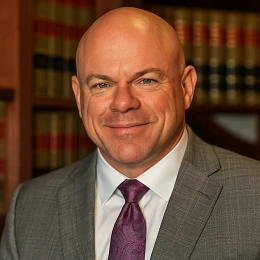
The following verified attorneys are listed on FindTheLawyers.com and serve Philadelphia, PA. Click any profile to view full details, ratings, and contact information.

Derek M Patterson, Esq