


- Author: Richard Stim
- Feb 13, 2026
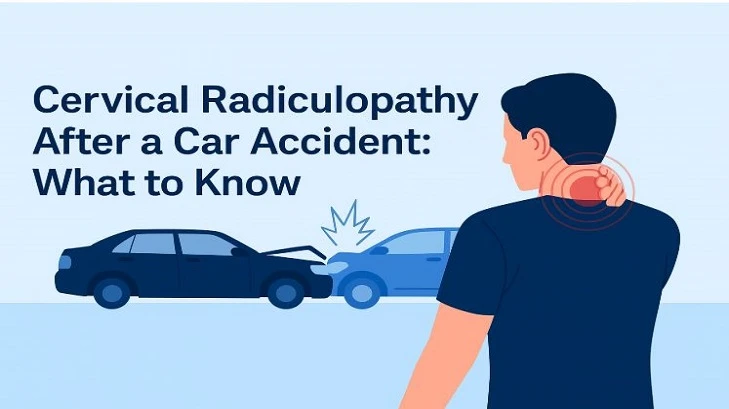
Cervical radiculopathy after a car accident is a nerve injury in the neck caused by trauma from the crash, leading to symptoms such as pain, numbness, tingling, and weakness that radiate from the neck into the arms or hands.
After facing car accidents, victims may experience minor injuries such as severe pain in the neck. Accident victims often face challenges in seeking financial compensation for injuries to the human body, especially the human spine, after a car accident. However, you must not ignore neck injuries. If they are left untreated, the neck pain may result in severe conditions such as cervical radiculopathy.
What Is Cervical Radiculopathy?
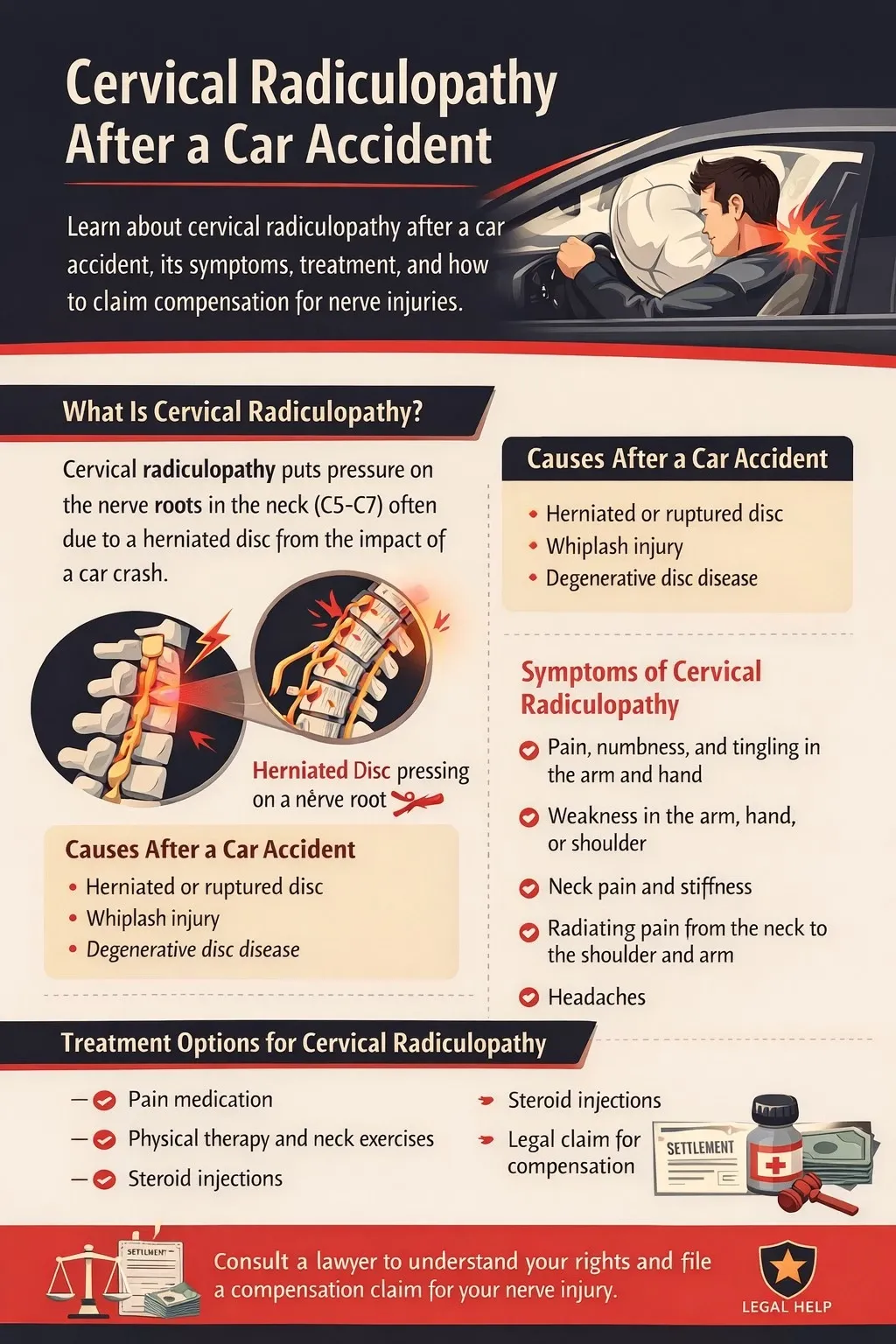
Cervical radiculopathy is a pinched nerve in the neck that causes pain by compressing or irritating the nerve roots. Cervical radiculopathy is sometimes referred to as a pinched nerve. Inflammation or nerve compression is causing pain and other symptoms, including changes in reflexes, strength, or sensation. It will cause pain in the back, arms, neck, and hands.
What Are The Common Causes of Cervical Radiculopathy?
The fundamental causes of radiculopathy are osteoarthritis and degenerative disc disease. Some of the injuries that can increase the risk of radiculopathy are
- Herniated discs
- Arthritis
- Compression fractures
- Scoliosis
- Diabetes
- Spinal stenosis
- Bone spurs
- Spinal tumors
- Spondylolisthesis
What Are The Symptoms of Cervical Radiculopathy?
The cervical radiculopathy symptoms may vary, as it will depend on the severity of the injuries caused by the car crash. Common symptoms may include the following:
- Burning sensation
- Tingling
- Numbness
- Loss of motion
- Stiffness
- Muscle weakness
- Aching
Nerve damage may cause victims to experience these symptoms on one side of the body or in the neck. In some cases, individuals may notice a tingling sensation in their fingers, hands, or arms rather than the neck after the crash, which can be a sign of cervical radiculopathy caused by nerve compression.
Recognizing these warning signs early and understanding the steps to follow after a car accident such as seeking immediate medical evaluation and documenting symptoms, is essential for proper diagnosis, timely treatment, and protecting your right to compensation.
Lasting Effects of Cervical Radiculopathy in Car Accident Victims
In a few cases of cervical radiculopathy, nerve roots sustain actual damage. When that happens, you may experience pain that spreads outward, numbness in certain areas, or weakness in your arm muscles. Those signs can leave you with
- a permanent pain-care routine
- a disability if one or both arms are hit hard
- trouble getting back to work because the disability is affecting you
Knowing how these lasting changes impact your daily life helps you pick a fair value for any settlement.
How Do You Prove a Car Accident Caused Your Cervical Spine Injury?
To prove that your spine injury after a car accident was caused by the crash, you must present strong supporting evidence such as medical records, diagnostic imaging, and expert medical testimony. Medical records play a critical role in establishing your back and neck injuries because they clearly document the diagnosis, symptoms, and treatment related to the accident.
These records also help demonstrate the severity of your condition, the impact on your daily life, and the ongoing care required, which are all essential for supporting your injury claim and pursuing fair compensation.
What Is the Average Settlement for Cervical Radiculopathy?
Cervical radiculopathy settlements after a car accident often range from $50,000 to more than $200,000 for moderate injuries. In severe cases involving surgery or permanent nerve damage, settlements can exceed $250,000 to over $1 million.
The exact settlement amount depends on factors such as the severity of the injury, medical expenses, long-term effects on daily activities, and whether surgical treatment is required.
What Is Cervical Radiculopathy C6-C7?
C6-C7 is located between the 6th and 7th cervical vertebrae in the upper neck region. Victims of car accidents who experience cervical sprain at C6-C7 may experience excessive weakness, pain, and paralysis. A herniated disk at this level is a common cause of nerve compression, which can irritate nerve roots and lead to symptoms like radiating neck and arm pain. It may also affect an individual’s ability to control arm and hand muscles.
The C6-C7 pinched nerve is one of the most common levels of neck injury that can result from a car crash. Moreover, it may lead to trouble breathing and affect bladder and bowel functionality. The settlement may also be high in such cases due to the injury’s severity.
How Long Does a Cervical Radiculopathy Settlement Take?
There is no precise time that a car accident settlement for cervical radiculopathy may take. Some cases may resolve in a few months, whereas others may take a longer time to settle. This variation in the severity and impact of cervical radiculopathy will also affect the recovery time. Some factors that may impact the settlement time are:
- Number of parties involved in the accident
- The victim is responding to treatment
- The compensation you need to recover
Insurance Adjusters Bearing Quick Settlement Offers
Some car insurance companies may provide you with a quick settlement in a few days or weeks after the collision. The settlement is far lower than what you need. You don't know how bad your injuries are or what treatment you need after the crash. You can't collect future costs due to uncertainty.
However, a legal representative may help you if you are unsure about the settlement. They might, therefore, give you the best legal counsel before you sign the settlement.
Need Legal Help? Contact A Car Accident Lawyer
Working with an Allentown car accident attorney may help you determine the appropriate course of action by understanding the nature of your injury and what to expect from your injury lawsuit. They can also help to pursue fair compensation for your pain and suffering after the accident.
FAQs About Cervical Radiculopathy After Car Accidents
What is cervical radiculopathy after a car accident?
Cervical radiculopathy is a condition caused by irritation or compression of a nerve root in the neck (cervical spine). After a car accident, sudden impact or whiplash can damage spinal discs, joints, or surrounding tissues, putting pressure on nerves. This can lead to pain, numbness, tingling, or weakness in the neck, shoulders, arms, or hands.
Can a car accident cause cervical radiculopathy?
Yes, a car accident can cause cervical radiculopathy due to whiplash, herniated discs, or spinal misalignment. The sudden force can compress or irritate nerves in the cervical spine, leading to pain and neurological symptoms.
What are the symptoms of cervical radiculopathy after a car accident?
Common symptoms include neck pain, radiating arm pain, numbness, tingling, and muscle weakness. These symptoms occur when nerves in the neck are compressed or inflamed after trauma.
How long does cervical radiculopathy last after a car accident?
Recovery time varies from a few weeks to several months depending on the severity of the injury. Some cases may become chronic if nerve compression or damage is severe.
Is cervical radiculopathy a serious injury?
Yes, cervical radiculopathy can be serious because it affects nerve function and mobility. Without proper treatment, it may lead to permanent nerve damage or long-term pain.
Can whiplash cause cervical radiculopathy?
Yes, whiplash is a common cause of cervical radiculopathy. The rapid back-and-forth movement of the neck can damage discs and compress nearby nerves.
How is cervical radiculopathy diagnosed after a car accident?
Doctors diagnose cervical radiculopathy using physical exams, MRI scans, and nerve tests. These tests help identify nerve compression and determine the severity of the injury.